












The climate clock in New York’s Union Square is ticking down. Years are disappearing. Days. Seconds. The damage done by climate change is becoming irreversible. The 80-foot building containing this ticking time bomb towers over New York pedestrians, but the urgency of its message remains to be ignored.
Habits passed down from generation to generation continue to deepen the catastrophic damage inflicted on our planet. Whether those habits are running your dishwasher multiple times a day, wasting food, or continuing to drive a car that consumes fossil fuels, they all contribute to the acceleration of climate change.
To look on the bright side of things, many steps have been taken in recent years to slow down the climate catastrophe looming in our future. A great example of one of these things is the creation and rise of popularity in electric vehicles. However, that doesn’t mean that everybody is driving these electric vehicles. Some people remain stubbornly attached to cars that are slowly and silently helping the planet warm around us.
Owning an electric vehicle erases the need for refilling your car’s gas tank, which lessens your contribution to the burning of fossil fuels. As more companies create their own electric cars, we will reduce carbon emissions in our atmosphere, which means that things could be looking up for the future—but only if people make the switch.
In 2021, the Biden administration issued an important order that all vehicles must be zero-emission by the year 2035. This was a huge step forward in reducing the number of people who drive cars that run on gasoline.
Driving a car that is good for the environment would be an easy and largely unnoticeable change in people’s lives. The least we can do for our planet is ensure that the damage we have created can be reversed, if only a little bit.
It is now 2024, and there is an alarming number of people who continue to drive gas-guzzling cars—even as the news updates people every day with new information on how the world is melting. If driving an electric car can change the news from climate change scares to hopeful updates on the environment, that is what people should be leaning towards.
Believe it or not, a person who drives a gas-powered car emits about 4.6 metric tons of carbon emissions per year, according to the US Environmental Protection Agency. It’s crazy how many people shrug off the obvious changes that have occurred in our climate the past couple of years.
Changing what kind of car you drive around might not seem like much, but it can be the first step toward living a life where you are more thoughtful about your carbon footprint in every other area of your life. Soon enough, everyone is doing their part, and we are all slowly helping to save the planet.
I want to live in a future where the anxieties brought up by climate change don’t constantly linger in the back of my mind. If electric cars continue to grow in popularity and more people stop driving their gas-guzzling vehicles, that could be a very real possibility. Making positive change can be as easy as switching up the kind of car you drive. That thought alone should be what drives you to take baby steps toward a more environmentally safe future.
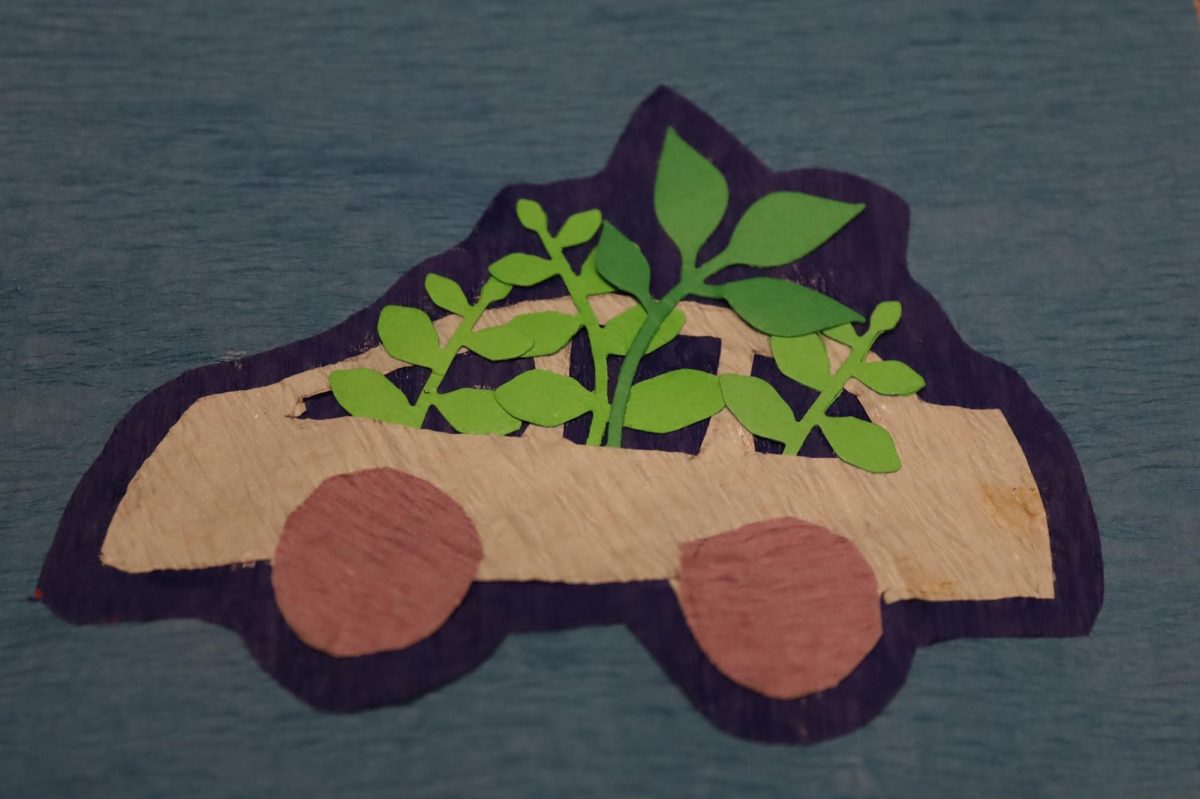
OPINION: Driven for change
More people should drive electric cars
May 5, 2024
About the Contributor

Rachel Larsen, Copy Editor
Rachel Larsen (11) is the copy editor of the Mohi Mix Magazine. She had been interested in journalism since she was in middle school, despite initial intimidation.
“I joined my freshman year, and I was really intimidated by it, but I’ve always really liked writing, and it was interesting for me to be able to interview people, and write about events happening around the school. “ Larsen said.
Her passion for writing and school events grew from a middle school English unit and her desire to engage with her school community.
Balancing her involvement in cross country and distance track, she prioritizes journalism deadlines over sports practice. Excited about her new role as copy editor, she looks forward to her junior year, which includes driving and a more substantial role in the newspaper. Rachel is the youngest in her family. She has an older brother and sister, both graduated from Monarch in the past years. She is now the only one of her siblings to be at Monarch.
“I feel more independent here.” Larsen said.
More to Discover


