Skip to Content

More than just a word

The use of n-word has impact on students
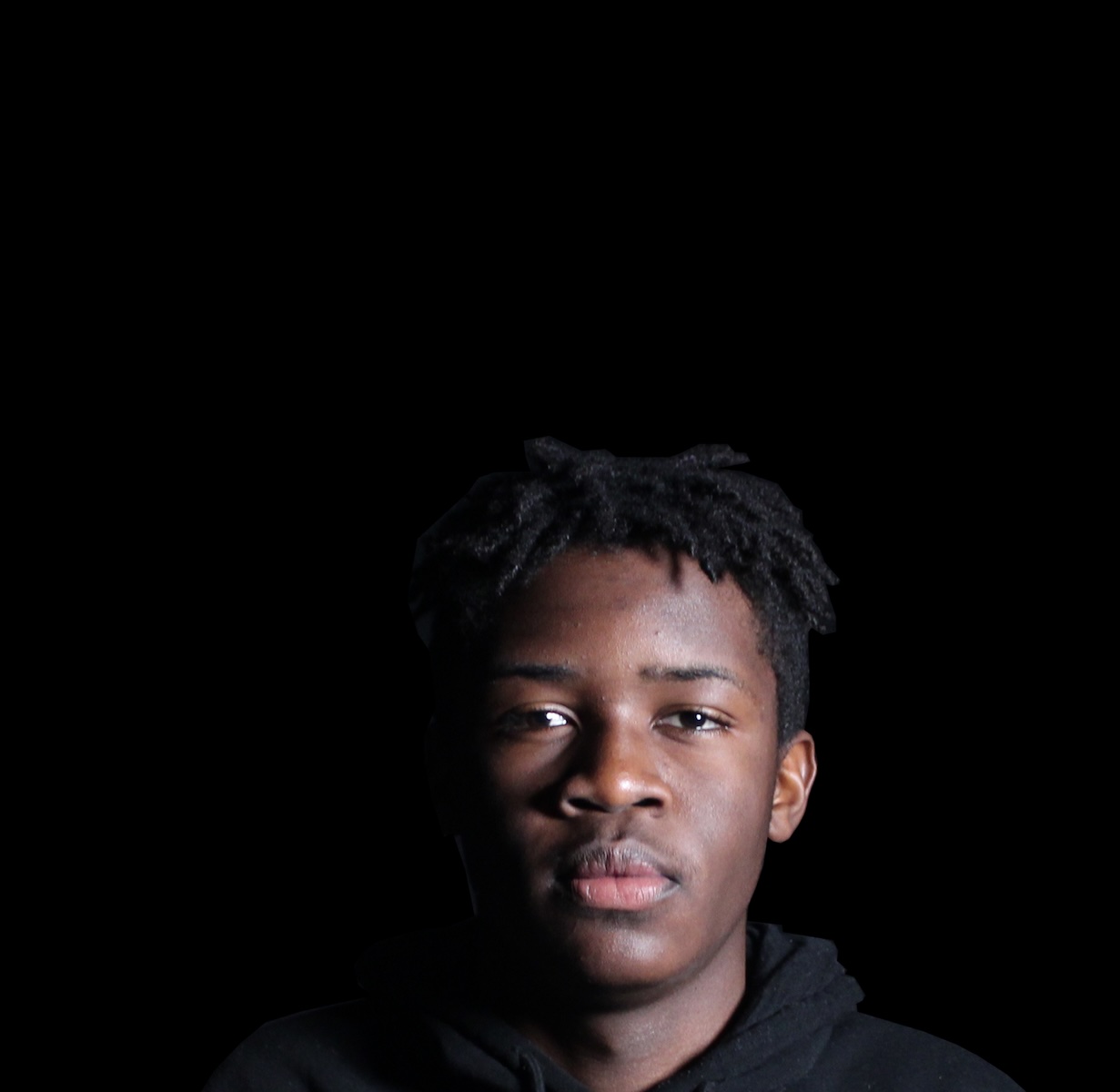
Marquis Payne (12) used to play it off when people would say the n-word to him. As he's gotten older, he's much less tolerant of the word's use.
Marquis Payne (12) used to play it off when people would say the n-word to him. As he’s gotten older, he’s much less tolerant of the word’s use.
Aaliyah Currier
No longer a game

Each morning, Marquis Payne (12) walks out of his second period class and runs into a circle of bustling sophomores, all talking over each other loudly. Trying to make his way through the chaos, he hears one word that sticks out amongst the chatter: The n-word.

Payne stops in his tracks.

“Watch your mouth,” he says.

Payne is no stranger to hearing the n-word used by white students, but he hasn’t always noticed the true impact that the word has. As high school has gone on, his opinions and the action he takes upon hearing it has changed.

“I used to think it was the funniest thing,” he said. “So when people said it around me, I’d laugh, like, ‘Haha.’ But it always got to a point where it’s no longer a game.”

He realized that the people he was surrounding himself with didn’t see how he was treated differently than them because of the color of his skin.

“There’s lots of things that my white peers don’t really think about that might affect me just because I’m with them,” Payne said. “I’ll get in trouble at a higher level than they would because cops tend to take it that the black kid is probably the leader of what’s going on.”

The reality he has come to recognize is that there are aspects of society that cause him to be oppressed. Even in a city as progressive as Boulder where it might seem as though people are more accepting, Payne feels racism is still prevalent in his life.

“With me being black, it makes me an automatic target,” Payne said. “People think racism is gone. It’s like it’s a past thing. But people are prejudiced to this day in little different ways, and a lot of people in the West do it subtly, not like they would in the South.”

Hearing the word get thrown around more frequently, Payne hopes to set an example for those who are scared to speak up for themselves when someone uses the n-word. One of the main standards he holds himself to– speaking up against what’s wrong.

“I speak with a broad voice, and people tend to notice that when I actually am speaking,” Payne said. “So I think it makes it a lot easier for people to see where I’m coming from, I’m really cracking down on trying to be more respectful of not just me, but of my people.”

A new world of ignorance

The time left in a soccer game rapidly counted down as Jake Sicaidi (10) hurried to make a throw-in. His summer pre-season at a new school, with a new team, had almost come to a close, and the adrenaline running through his veins blocked out all distractions from the cheering peers and parents on the sidelines, the beating sun, and the timer running out.

Then it happened.

All it took to break that focus was one quiet word from a player on the opposing team.

“This guy out of nowhere just called me the N-word under his breath,” Sicaidi said. “I was like, ‘What did you say?’ And he said it again.”

Sicidi moved to Colorado when he was younger from Chingola, Zambia. While he has come to love the beauty of Colorado landscapes, he has noticed ignorance unlike anything he experienced in Zambia–specifically with a word he never heard white Africans use.

In Louisville, however, he says the word is everywhere.

“I hear it get passed around like it’s just slang,” he said. “At this point, it’s just a word. I don’t know what I should do when I hear it. I don’t know if I should snap.”

He feels American society has desensitized a word that holds an expansive and devastating history, which has led to many of the white students in high school fail to recognize the impact of using it. He has experienced that impact first hand, in both sports and school.

“If I hear it during a game, and I’m having a great game, it kind of drops my confidence down and makes me think about why would they tell me that,” Sicaidi said.

Sicaidi has heard the word more frequently amongst groups of people in Colorado since his move from Zambia, where the attitude towards racial slurs was entirely different.

“They’re just normal. They don’t say that word. They are just people who act normal,”

Though the damage of the word is felt by Sicadi, he tries his hardest to stand up to those who use it to tear others down, or to claim it as their own while ignoring it’s history–and he encourages his community and his friends to do the same.

“I feel it’s happened to them a lot, that they hear it so much, that they just, at this point, forget about it and don’t even care,” Sicaidi said. “But still, you have to stand up for yourself and tell somebody. You need to find somebody you can talk to who would actually do something about it.”
Finding home in a mix

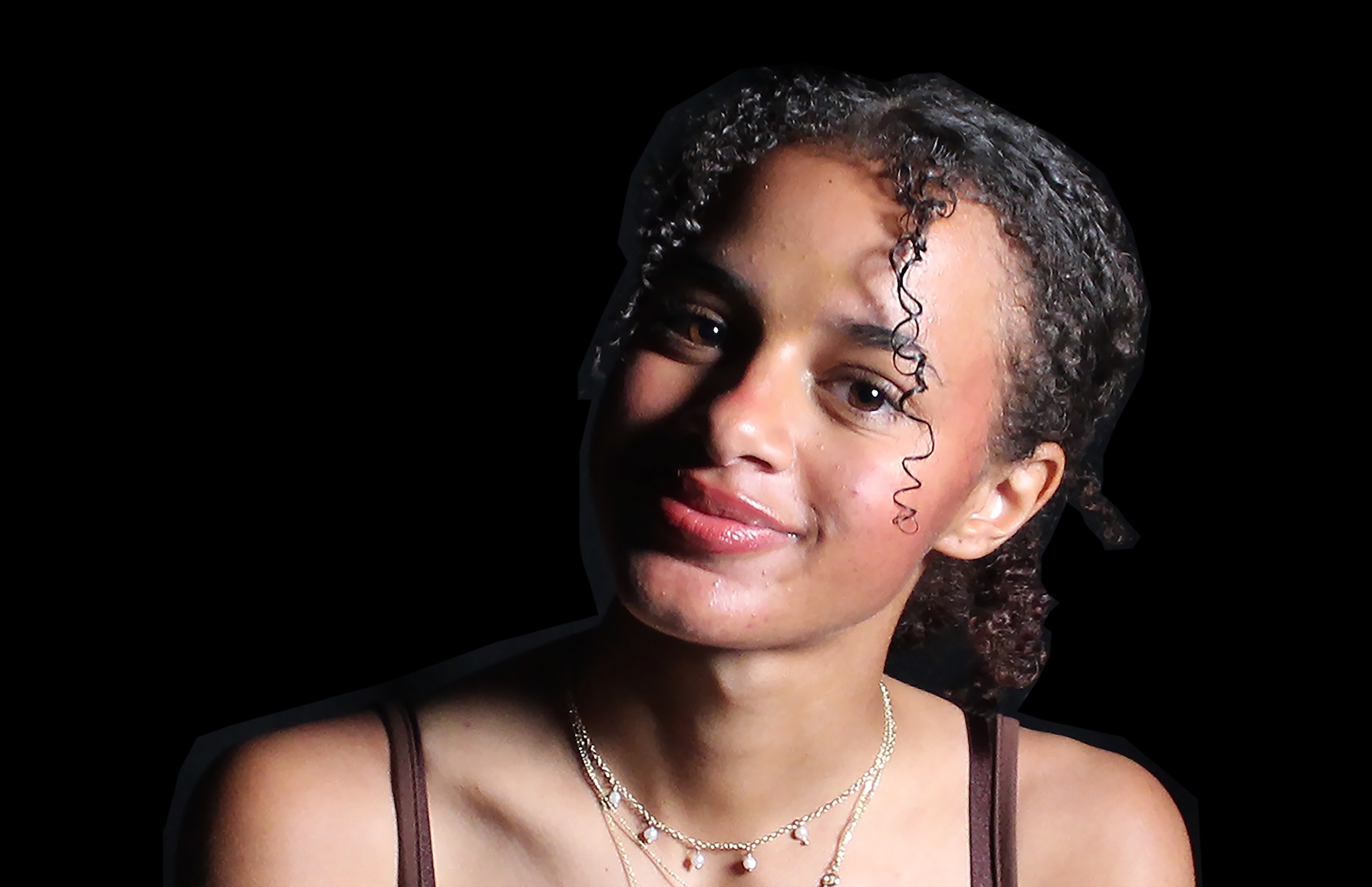
Sitting in freshman language arts, Stormi Ogbuji (10) sat and watched as the other students in her class sat and drew on their desks, played with their hair, and pretended to read and do their schoolwork.

As she minded her own business, focused solely on the assigned book she was reading, she was interrupted.

“Some kid said to me,‘Do you even understand this?’ And I was like, ‘What do you mean do I even understand this?’ And he was like, ‘Well, you know, you just, like, don’t have the same ideas.’” Ogbuji said.

In this moment, she felt belittled. This wasn’t just a one-off incident—Ogbuji has felt out of place at school her entire life.

In classrooms where kids should only have to worry about paying attention and learning, she’s constantly felt like a target.

“Before we start reading a book that has the N-word in it, teachers will be like, ‘So there’s going to be some words in here that I think you all know we aren’t supposed to use.’” Ogbuji said. “And it just feels like everyone’s staring at me, even though they’re not actually staring at me.”

This sense of isolation doesn’t only affect Ogbuji when she’s at school. She has also found it hard to fit in with her friends due to the color of her skin.

“When I’m at hangouts with my friends, and this is definitely not something that seems like a really big deal, but there’s little things,” Ogbuji said. “All my friends are doing each other’s hair or something, and it just feels a little bit isolating because there’s a lot of stuff that I don’t relate to with them and that they also don’t relate to with me. And that feels kind of hard.”

Having a white mom and a black dad leaves her often feeling like she’s at war with her identity. She says she finds it hard to balance both sides of herself while also trying to fit in.

“I think it’s kind of isolating” Ogbuji said. “I think it’s just really hard to find ways to feel like I’m fitting in, but also not like shunning my culture and not really expressing myself, I guess.”

She has even felt judgment towards her family as people are very quick to make assumptions.

“I’ve actually been asked before when I was with my mom, if I was actually her child,” Ogbuji said

When it comes to the N word, Ogbuji has often felt powerless, even around the people she feels close to.

“Some of my really close friends will just say it around me or call someone else that. I don’t think anyone ever is stupid enough to call me that. But one of my friends will just say it around me, and it’s just really off-putting,”

She feels strongly that it is a useless word with a horrible history behind it, which she hopes people could understand as she is sick of trying to defend it.

“I just wish that I could tell people how much it actually does affect people,” she said. “I guess because I think that they think it’s just a word. And I’m sure they think it’s just a word, too. But if they actually understood the true meaning and background behind it, then I think they would.

“It just makes me feel like I don’t have a place in the community at Monarch.”
About the Contributors
Julia Abair
Julia Abair, Editor In Chief
 Julia Abair (12) has always had a passion for writing and telling stories in her words.  “ I have always been like a ela kid, I guess. So I really just love it”, She said.  This year Julia is super excited to be an editor in chief alongside Ben and Abby. “ And I like, love this so much. I love being able to tell people stories, and like being able to like bring light to like I don’t know, to people’s lives, and I don’t know just to like show people different perspectives. I think it’s really important. So I really like it.” She said.  Julia is also passionate about women’s rights “  I’m really passionate about women’s rights. I’m really passionate about, like, a woman’s right to choose. That’s something that’s really, really important to me. My mom’s like, my mom’s OB GYN. So it’s like something that is always in our house, that was always like a thing.” she said.  When she’s not working on stories for the newspaper Abair enjoys running and swimming and finds herself doing them in her free time “I am really big into running right now. I’m, like, not very good, but I’ve had, like, a few injuries, but I really love it. And, like, I love the reward I get out of, like, the accomplishment that I get from it.” She said. Julia has had setbacks in running due to injuries but knows that she must continue doing things that she loves even when they are tough.
Aaliyah Currier
Aaliyah Currier, Staff Writer
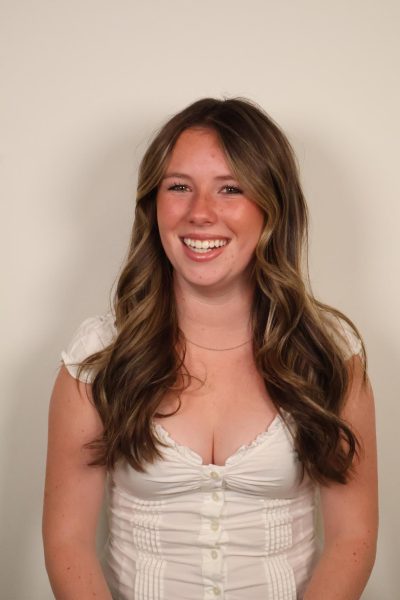
What began with a connection through her mom turned into a passion for Aaliyah Currier (10).. By joining the BVSD Youth Equity Council, she discovered her passion to train teachers on equity in education and how to amplify the voices of communities that are too often overlooked. “I’ve actually created trainings for teachers to like, be less racist in class and homophobic and like how to handle those situations,” she said.  That same commitment to helping others extends beyond the classroom, shaped by her own experience with epilepsy, Aaliyah hopes to become a neurologist specializing in the condition so she can support kids facing the challenges she once did.
Rachel Larsen
Rachel Larsen, Copy Editor
Rachel Larsen (11) is the copy editor of the Mohi Mix Magazine. She had been interested in journalism since she was in middle school, despite initial intimidation. “I joined my freshman year, and I was really intimidated by it, but  I’ve always really liked writing, and it was interesting for me to be able to interview people, and write about events happening around the school. “ Larsen said.   Her passion for writing and school events grew from a middle school English unit and her desire to engage with her school community.  Balancing her involvement in cross country and distance track, she prioritizes journalism deadlines over sports practice. Excited about her new role as copy editor, she looks forward to her junior year, which includes driving and a more substantial role in the newspaper. Rachel is the youngest in her family. She has an older brother and sister, both graduated from Monarch in the past years. She is now the only one of her siblings to be at Monarch.  “I feel more independent here.” Larsen said.
Oakley Lloyd
Oakley Lloyd, Staff Writer
After constant nagging by her freshman English teacher, Oakley Lloyd (10) clicked “JOURNALISM NWSPR 1” on her course selection and decided she would share her voice.   “I feel like I’m very opinionated, and I kind of wanted to be able to share that,” Lloyd said.  Lloyd hopes to be able to share her opinions and experiences on women’s rights with the student body. Her biggest goal for The Mix is to be able to be proud of all that she creates.  “I have like, a lot of strong feelings on women’s rights and that sort of thing” Lloyd said.  “I feel like I have just a lot of thoughts and things to say when it comes to that” When Lloyd isn’t at school or in newspaper class, Lloyd can be found in the dance studio. Even though her busy high school schedule doesn’t allow for competition dance, she hasn’t let that stop her from loving the sport.  “There’s a lot of things I’m passionate about” Lloyd said. 
More to Discover