










On a hot summer day, Boulder Valley’s neighborhoods were once filled with kids riding their bikes, lemonade stands on every corner, and the steady bouncing of basketballs on the hot asphalt. The steady rhythm of the ball has turned into an occasional thump.
These quiet neighborhood streets are becoming increasingly common across the nation.
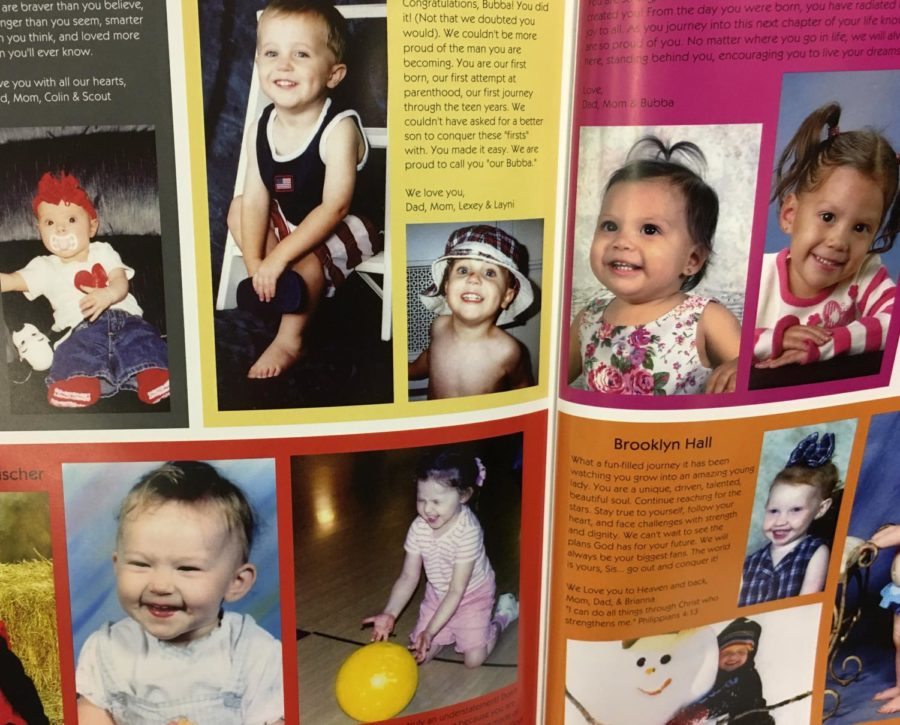
In 2024, the United States hit its lowest ever birth rate of 1.6 births per woman, according to the Center for Disease Control and Prevention (CDC), meaning less kids are entering the education system.
“If you look at the declining enrollment, and our declining birth rate,” Randy Barber, Boulder Valley School District (BVSD) Chief Communications Officer said. “It mirrors exactly what we’re seeing locally.”
Increased housing costs are also making it difficult for young families to move into Colorado and, specifically, the towns in BVSD. In 2016, the median home price in Boulder Valley was around $600,000. By contrast, in 2026, the cost is over $1,000,000.
“Declining enrollment is certainly hitting us in Colorado,” Barber said. “It’s worse yet in the Boulder Valley area because of the expensive housing.”
With the increase in living expenses and the decline of birth rates, BVSD has seen its second-largest drop in enrollment since the pandemic, with about 3,600 fewer students enrolling since 2015.
That may seem like a large number when the district has around 28,000 students, but when it comes to funding, every student leaving impacts the district’s budget.
In Colorado, the school receives funding of approximately $11,900 per student, according to the State of Colorado. With each year that enrollment declines by 3,600 students, the district loses more than $100 million.
Monarch art teacher, Julie Makely, is one of the many elective teachers feeling the impacts.
“We’ll just have to simplify what classes we offer,” Makely said. “If not enough kids sign up, it’s cut. We will see in April what our budget is and then make changes.”