









The National Center for Atmospheric Research (NCAR) sits amongst the Flatirons in Boulder, towering over the rows of homes and businesses. The familiar concrete structure is a vital component of climate forecasting, and the research conducted within its walls is crucial to scientific discoveries worldwide.
However, on Dec. 16, 2025, plans to dismantle this crucial hub were announced amidst one of the warmest recorded winter seasons
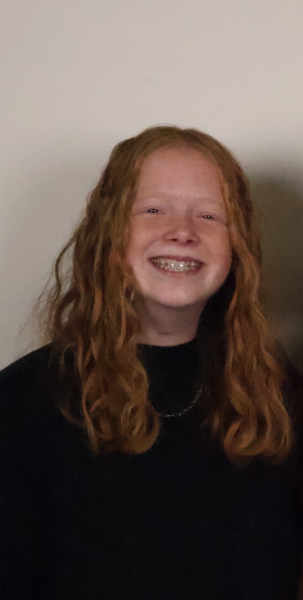
The future of climate studies is now at jeopardy, and the plans of a future career in meteorology, like the ones students like Helena Dube (12) hope to pursue, are at jeopardy as well.
“Boulder is such an amazing place for studying climate sciences and atmospheric sciences,” Dube said. “It being shut down will definitely be a blow to the community. It’s shocking that it would even be considered to be getting shut down because it’s so important. It’ll be a huge loss to meteorology all over the world.”
News of defunding NCAR came as a shock to Dube. Dube has always been interested in the Earth’s climate and its unpredictable nature, which means she has also always known the importance of climate research and weather patterns.
“I’ve kind of always been interested since I was little. I would do projects in school about hurricanes and tornadoes and stuff like that,” Dube said. “It’s just always been something that I’ve been kind of fascinated by. I always really liked going to NCAR when I was younger. I think it’s really important to the Boulder community as a whole.”
NCAR is responsible for weather predictions, warnings for natural disasters, and scientific studies focusing on the atmosphere and different Earth systems. President Donald Trump’s Project 2025 listed plans to defund and close NCAR because of the belief that it spreads “climate alarmism,” which, in simple terms, refers to the spreading of fear regarding climate change and what the warming of our climate will lead to down the road.
“I don’t think that’s true, because it’s a federally funded research center. They spread facts and information,” Dube said. “Climate alarmism isn’t a good thing, but when facts and reasons are provided as to why things are bad, that’s when we should all be alarmed. I mean, it’s 65 degrees in January, so it’s not something that we should blow off.”
The administration hopes to reallocate these kinds of research to other areas of the government, calling Boulder’s location the “largest source” of climate alarmism. In defunding it, the government intends to reduce the supposed falsehood and fear surrounding climate change.
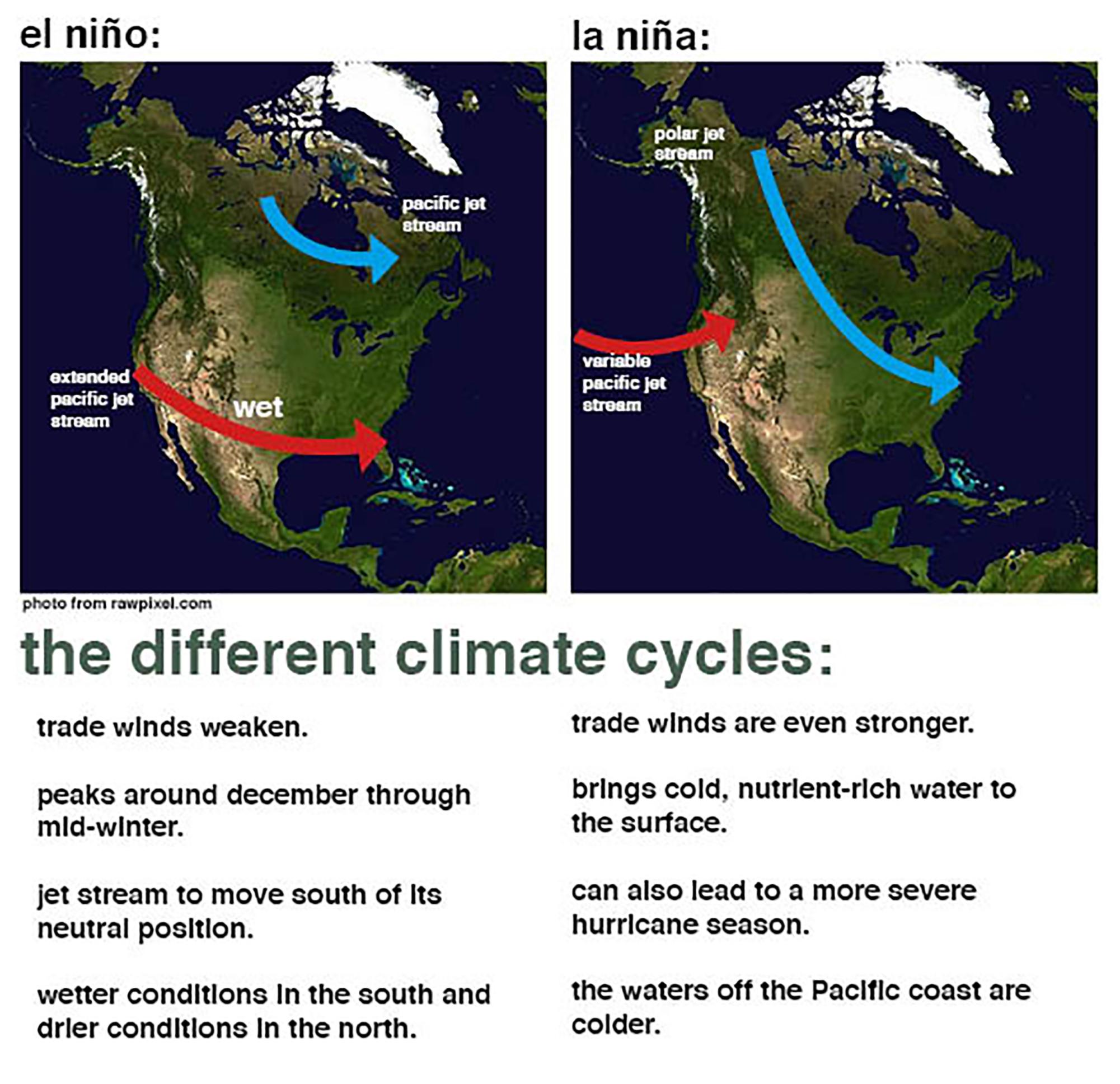
However, NCAR’s importance goes beyond the Boulder bubble, monitoring major weather patterns and shifts all around the world.—like the El Niño and La Niña climate cycles.
“We’ve obviously been having a really warm, dry winter, and that’s not because of climate change. It’s because we’re in something called a La Niña year, which is basically when the temperatures in the Pacific Ocean are colder than usual,” Dube said. “On a global scale, with all the jet streams, it’s kind of like a domino effect, and those temperatures being colder leads to a warmer winter here.”
For those who grew up in Boulder County, it’s likely that NCAR was an elementary field trip destination. It’s the place with a cloud-making machine, a telescope twice the size of any child, and a replica of the largest piece of hail ever recorded. But behind all of that, there is a crucial research facility with meteorologists working to produce groundbreaking weather discoveries, and Dube is interested in progressing and learning more about the field of meteorology.
“When you’re looking at your weather app, it’s basically just an estimate of all of the things that scientists are researching and seeing, and so NCAR is just one of those centers,” Dube said. “They rely on all this information. A center like that shutting down takes away from a lot of what we see and know about the climate. Forecasting just isn’t as accurate, and for things like natural disasters, there’s less predictions.”
Looking forward to what she wants to study in college, Dube has found herself itching to be amongst these scientists, finding her passion in the field of meteorology. Dube has taken every opportunity to learn more about building climate models, soaking up as much information about climate change and the Earth’s atmospheric systems as she can.
“I would want to be doing the research, behind the scenes, be the one looking at it and doing the modeling and providing the information,” she said.
The summer before her senior year, Dube went to a meteorology camp in Madison, Wisconsin. The camp was a CIMSS (Cooperative Institute for Meteorological Satellite Studies) student workshop, partnered with NOAA (National Oceanic and Atmospheric Administration).
“We had this whole section on modeling, and because it was basically weather forecasting, it was really interesting. There are so many different models, and you kind of combine them all,” Dube said.
Dube’s experience at the CIMSS opened her eyes to what a future career in meteorology would feel like, immersing her in the actual research and providing a hands-on opportunity to work with atmospheric models. However, as Dube is picturing her future in meteorology, her top schools are now being reordered due to the University of Colorado Boulder’s decline in internships available at NCAR.
“It actually has made me reconsider going to CU Boulder, because it’s such a good school and a central place for this exact kind of thing that I want to do,” Dube said. “But because there’s been all of this happening and NCAR shutting down, there’s been so much federal funding being cut. So a lot of people have been losing their internships and losing these opportunities because there’s not enough funding.”
The entire Boulder community will feel the absence of a research hub like NCAR. Going forward, Dube hopes that efforts to resume climate research and climate change prevention will continue, and she plans to continue to pursue her passions in meteorology so that she can be a part of making that change.
“A lot of people think it’s just a research center, but it’s the research center,” Dube said.